What fever is and why it happens
Fever is not a disease. It is a normal response by the body to an infection or another inflammatory trigger. In many children, it appears with colds, flu, tonsillitis, urinary tract infections, gastroenteritis, or after certain vaccines. The temperature rises because the body is trying to fight whatever is affecting it.
It is important to remember that fever on its own does not tell you how serious the situation is. A child with 39°C may be relatively well, while another child with a lower temperature may be very unwell and need assessment.
How to measure temperature reliably
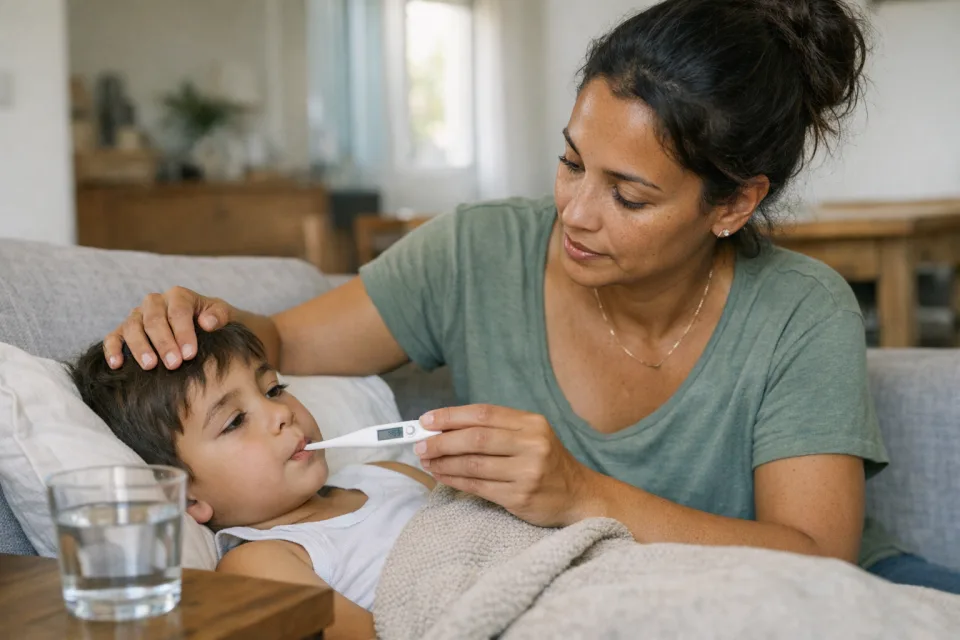
The best option is a digital thermometer. In babies and young children, rectal measurement is the most reliable, but many parents prefer measuring under the arm or using an ear thermometer, always following the device instructions. The most important thing is to use the same method consistently so you can compare readings.
If the child is very wrapped up, has just been running around, or is very upset, wait a few minutes before taking the temperature. Avoid judging only by touch on the forehead, as that can be misleading.
When you can monitor at home
In most cases, fever can be monitored at home if the child:
- is awake and responds normally
- is drinking fluids
- is breathing without difficulty
- does not have severe pain
- is passing urine as usual
- does not seem very lethargic or weak
If the child is more tired, has less appetite, and wants to rest, that can happen with a simple viral infection. The most important thing is to observe the child’s overall condition, not just the number on the thermometer.
At home, focus mainly on comfort and observation. There is no need to reduce fever at all costs if the child is otherwise well. The goal is to help them feel better.
What to do at home
A few simple measures can help:
- offer fluids frequently in small amounts
- dress the child in light clothing
- keep the room ventilated, but not too cold
- let the child rest
- do not force food if they have no appetite, but keep offering fluids and light meals
If the child accepts them, soups, fruit, yogurt, toast, or other easy-to-digest foods can be helpful. For babies, breast milk or their usual formula should still be offered regularly.
Cold baths, rubbing alcohol on the skin, or too many blankets are not recommended. They can make the child uncomfortable and do not treat the cause of the fever.
Medicines for fever
Antipyretics such as paracetamol or ibuprofen can be used to ease discomfort, pain, or general malaise, but they should be given according to the child’s weight and age, following medical advice or the package instructions. Never give medicine without checking the correct dose.
Do not alternate medicines routinely without professional advice. And never give acetylsalicylic acid to children unless a doctor has specifically advised it.
If the child is vomiting, dehydrated, has a chronic condition, allergies, or takes regular medicine, it is worth checking with a healthcare professional which option is best.
Warning signs: when to seek medical help
Seek urgent medical assessment if fever is accompanied by any of the following:
- difficulty breathing
- excessive sleepiness, confusion, or difficulty waking up
- a seizure
- stiff neck
- skin spots that do not fade when pressed
- severe pain, especially in the head, abdomen, chest, or ears
- persistent vomiting or complete refusal to drink
- signs of dehydration, such as a dry mouth, no tears when crying, and little urine
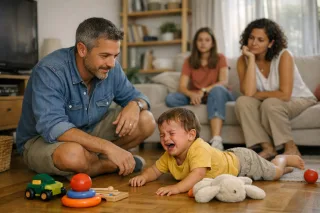
- inconsolable crying or extreme irritability
- the child looks worse overall even if the fever goes down
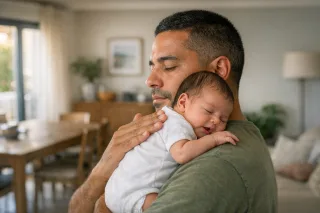
Fever in very young babies deserves extra attention. In the first 3 months of life, a temperature of 38°C or higher should be assessed by a healthcare professional on the same day.
When to contact SNS 24 or a doctor
In Portugal, you can contact SNS 24 for guidance if you are unsure how serious the symptoms are. You should seek medical advice if:
- the fever lasts more than 3 days
- it comes back after improving
- the child has pain when urinating
- there is a persistent cough, ear pain, or severe sore throat
- the child is under 6 months old and has fever
- there are chronic illnesses, low immunity, or other relevant medical history
Even when the cause seems viral, prolonged or repeated fever may need assessment to rule out other problems.
Fever and febrile seizures
Some young children may have seizures linked to fever. They are very frightening, but they often do not cause lasting harm. Even so, they need medical assessment, especially if it is the first time.
If a seizure happens, place the child on their side, move objects away from them, do not put anything in their mouth, and note how long it lasts. If it lasts more than 5 minutes, call for urgent help.
What fever does not necessarily mean
Fever does not automatically mean a serious infection. It also does not mean the temperature must always be brought down quickly. What matters is the overall picture: temperature, behaviour, breathing, hydration, pain, and age.
It is also important to avoid common myths, such as the idea that a high fever always causes brain damage. In general, fever caused by infection does not cause that kind of harm. The focus should be on recognising warning signs and keeping the child safe and comfortable.
How to keep an eye on your child خلال the day
Check how they are doing every few hours. Ask yourself:
- are they drinking?
- are they passing urine?
- do they seem more alert or more tired?
- are they breathing well?
- do they have any new symptoms?
If the fever comes down with medicine but the child still seems very unwell, that also deserves attention. The thermometer is only one part of the assessment.
When fever may be expected after vaccines
Some vaccines can cause a mild or moderate fever in the hours or days after vaccination. That can be expected, but it should still be monitored, especially if the child seems very unwell, the fever is high, or other concerning symptoms appear.
If you are unsure what is normal after a specific vaccine, check with your health centre, pediatrician, or a health advice line.
How to handle parental anxiety
It is normal to feel worried when a child has a fever, especially at night or when they seem more limp than usual. Try to stay calm and focus on three questions: are they breathing well, are they drinking fluids, and do they respond when spoken to? If the answer is yes, it is often possible to monitor safely at home.
If your instinct tells you that something is worrying, seek help. Parents know their child’s usual behaviour well, and that observation matters too.
Practical summary
You can monitor at home when the child is generally well, is drinking fluids, and has no warning signs. You should seek medical help if the child is very young, if the fever lasts several days, if there is breathing difficulty, lethargy, dehydration, a seizure, or other concerning symptoms. The most important thing is not just the temperature reading, but the child’s overall condition.
When in doubt, it is always worth getting professional guidance. It is better to clarify early than to wait too long.