Topic
Education
Content about school, learning, study habits, family-school relationships and educational choices.
 Guide
Guide
Choosing a nursery is an important and often emotional decision. This guide helps you prepare for a visit, ask the right questions, and calmly judge whether the space is safe, welcoming, and suitable for your child.
Read article
 Guide
Guide
Speech therapy can help with language, articulation, voice, fluency, reading, and swallowing difficulties. See when to seek help, how the assessment works, and how to support your child at home.
Read article
 Guide
Guide
Career guidance can be a valuable support during moments of uncertainty about school and future careers. Find out when it makes sense and how to make the most of it.
Read article
 Guide
Guide
Talking about sex education at home does not have to be awkward or complicated. With simple language, clear values and respect for the child’s pace, it is possible to create conversations that protect, educate and strengthen trust.
Read article
 Guide
Guide
Teaching responsibility is not about demanding perfection. It is about giving children small tasks, routines, and trust so they learn to care for themselves, others, and their commitments.
Read article
 Guide
Guide
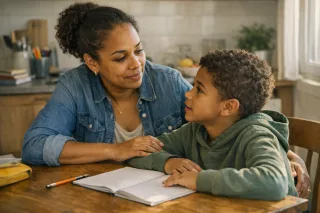
When a child says “I’m stupid”, they are often asking for help, not making a diagnosis about themselves. See how to respond calmly, without drama, and strengthen their confidence.
Read article
 Guide
Guide
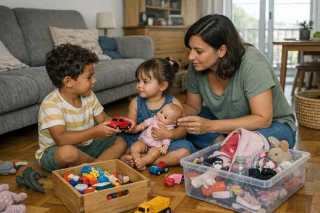
Sharing is a skill to learn, not an immediate obligation. See how to teach children to share toys calmly, with clear limits and practical examples, without forcing them to give in all the time.
Read article
 Guide
Guide
Many parents ask whether punishments work. In this article, we explain what happens in the short and long term and show practical educational alternatives for correcting behaviour without relying on constant punishments.
Read article
 Guide
Guide
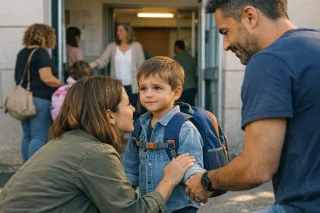
The first day of school can bring excitement, fear and lots of tears. See how to support your child before, during and after starting school, with simple strategies for anxiety, adjustment and goodbyes.
Read article
 Guide
Guide
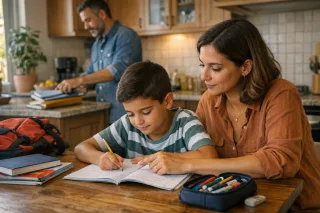
Helping with homework can be useful, but doing it for your child can hold back independence. See how to find the right balance at each age.
Read article
 Guide
Guide
Traveling with a baby can be wonderful, but it also takes planning. In this practical guide, you’ll find an essential packing list, sleep tips, feeding advice away from home, and ways to handle unexpected issues with more calm.
Read article
 Guide
Guide
Teaching a child how to handle money does not start with complicated numbers. It starts with simple choices, everyday examples, and the chance to make mistakes safely. In this article, we explain how to use an allowance, encourage saving, and turn small decisions into valuable life lessons.
Read article
 Guide
Guide
Empathy is not taught with lectures. It is learned day by day, through the words we use, the way we correct, and how we respond to our children’s feelings. Discover how to help a child see others with more respect, sensitivity, and responsibility.
Read article
 Guide
Guide
Summer holidays with children can feel calmer when there is a light, flexible, realistic routine. Here are simple ideas for quieter, more fun and more balanced days.
Read article
 Guide
Guide
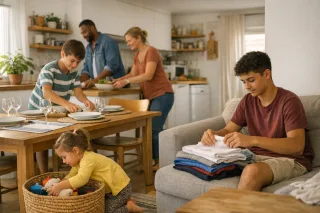
Involving children in household chores helps build independence, responsibility, and a sense of teamwork. Here are practical suggestions by age, plus ways to get started without conflict and adapt to each stage of development.
Read article
 Guide
Guide
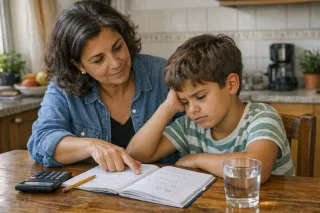
When math starts causing blocks, frustration, or fear, the way you support your child makes all the difference. In this article, you’ll find simple strategies to help without adding pressure or anxiety.
Read article
 Guide
Guide
A meeting with the school can change the direction of a difficult situation. With the right questions, clear information, and a willingness to work together, it is possible to reach concrete solutions for a child’s well-being and learning.
Read article
 Guide
Guide
Choosing a secondary school track can be stressful for teenagers and families. In this article, we explain how to weigh interests, career options, and family expectations, with practical steps for making a calmer, more informed decision.
Read article
 Guide
Guide
Starting university is a time of change for young people and families. Discover how to support independence, manage homesickness, build routines, and strengthen confidence during this transition.
Read article
 Guide
Guide
Natural and logical consequences help parents guide children with firmness and respect, without threats. In this article, we explain the difference between them, when they work, when to avoid them, and how to use them at home and at school with simple examples.
Read article
 Guide
Guide
Having children changes a family’s budget, but it does not have to turn into chaos. See how to organize expenses by age, anticipate costs, and keep finances balanced at every stage.
Read article
 Guide
Guide
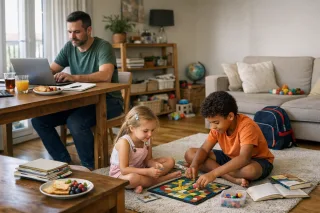
School holidays can be a challenge for parents and carers who need to keep working while also giving children rest, routine, and attention. With some organisation, it is possible to create days that feel lighter, more predictable, and calmer for the whole family.
Read article
 Guide
Guide
Building study habits at home can be much simpler when the routine is clear, the environment is supportive, and the family stops carrying school on its shoulders. In this article, you’ll find practical strategies to reduce arguments, increase independence, and make study more consistent.
Read article
 Guide
Guide
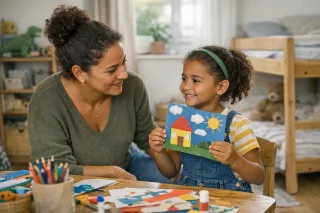
Starting 1st grade is a big change for both child and family. Here are practical ways to make the transition easier before and after school starts.
Read article
 Guide
Guide
Praise helps children grow, but the way we do it makes a difference. Find out how to value effort, encourage autonomy and avoid making a child depend on adults’ approval.
Read article
 Guide
Guide
When the weather keeps you indoors, there are plenty of ideas to entertain children at home without relying on screens. We’ve gathered simple, low-cost activities for different ages to turn a rainy day into a fun family moment.
Read article
 Guide
Guide
You do not need expensive toys or perfect activities to help a child grow. The best play is often the simplest, adapted to their age and to the family’s moment.
Read article
 Guide
Guide
At 11, many boys and girls enter a fast-moving transition: the body starts to change, school becomes more demanding, friendships become central, and the wish to do things alone grows stronger. In this article, we help you understand what is typical at this age and how to support your child with balance, boundaries, and confidence.
Read article
 Guide
Guide
When a child does not want to go to school, they may be experiencing fear, anxiety, learning difficulties, social conflict, or another kind of distress. Learn how to understand the signs and what to do at home and with the school.
Read article